how to prepare for a massage
Your first massage: how to prepare and what to expect
What to know before your first massage, what to discuss with the practitioner and how to arrive feeling more at ease.
If you are wondering how to prepare for a massage, the answer is simpler than you might think: find out what your chosen session involves, give yourself time to arrive, and talk about how you are feeling, any sensitive areas and your boundaries. You do not need a special diet, lots of extra water or an ability to relax on demand. A first massage usually begins with a conversation, and throughout the session you can ask for changes to the pressure, your position, the temperature, the level of conversation or the session itself. You do not have to put up with pain, undress more than you want to or continue if you do not feel safe.
Before booking: look beyond the name
The word “massage” covers many different experiences. Their purpose, length, pace, style of touch and setting vary, so a name alone may tell you very little. Before booking, read the description and ask what will happen from the moment you arrive to the moment you leave.
A few specific questions can help before your first visit: how much time is set aside for the conversation and the hands-on session, whether touch is through clothing or directly on the skin, which areas of the body may be included, how privacy is protected, and whether any products are used and what they contain. Check the price, cancellation terms, access to the venue and any other accessibility needs that matter to you. If an answer is unclear, it is perfectly reasonable to ask for an explanation.
In Lithuania, medical massage and body care services for physical wellbeing fall into different regulatory categories. If you are seeking help with a health condition, do not rely on the marketing name alone. Ask what kind of service is offered, what the practitioner is qualified to do and whether you should consult a healthcare professional first.
Health information to share before your visit
Massage is a low-risk experience for many people, but it is not entirely without risk. Before your appointment, let the practitioner know about how you are feeling, any recent surgery or injury, an unhealed wound, skin changes, fever or an infectious illness, pregnancy, a fracture, a significant risk of fragile bones, a blood-clotting disorder, and any relevant medicines or medical devices. This is not an exhaustive list.
If you have a diagnosed condition, unexplained new symptoms or any doubts about whether massage is suitable for you, speak to your doctor or another healthcare professional involved in your care before booking. Massage, including experiential bodywork, is not a substitute for diagnosis or medical care. If you become ill, get in touch to reschedule instead of trying to get through the appointment.
Massage day: a simple preparation timeline
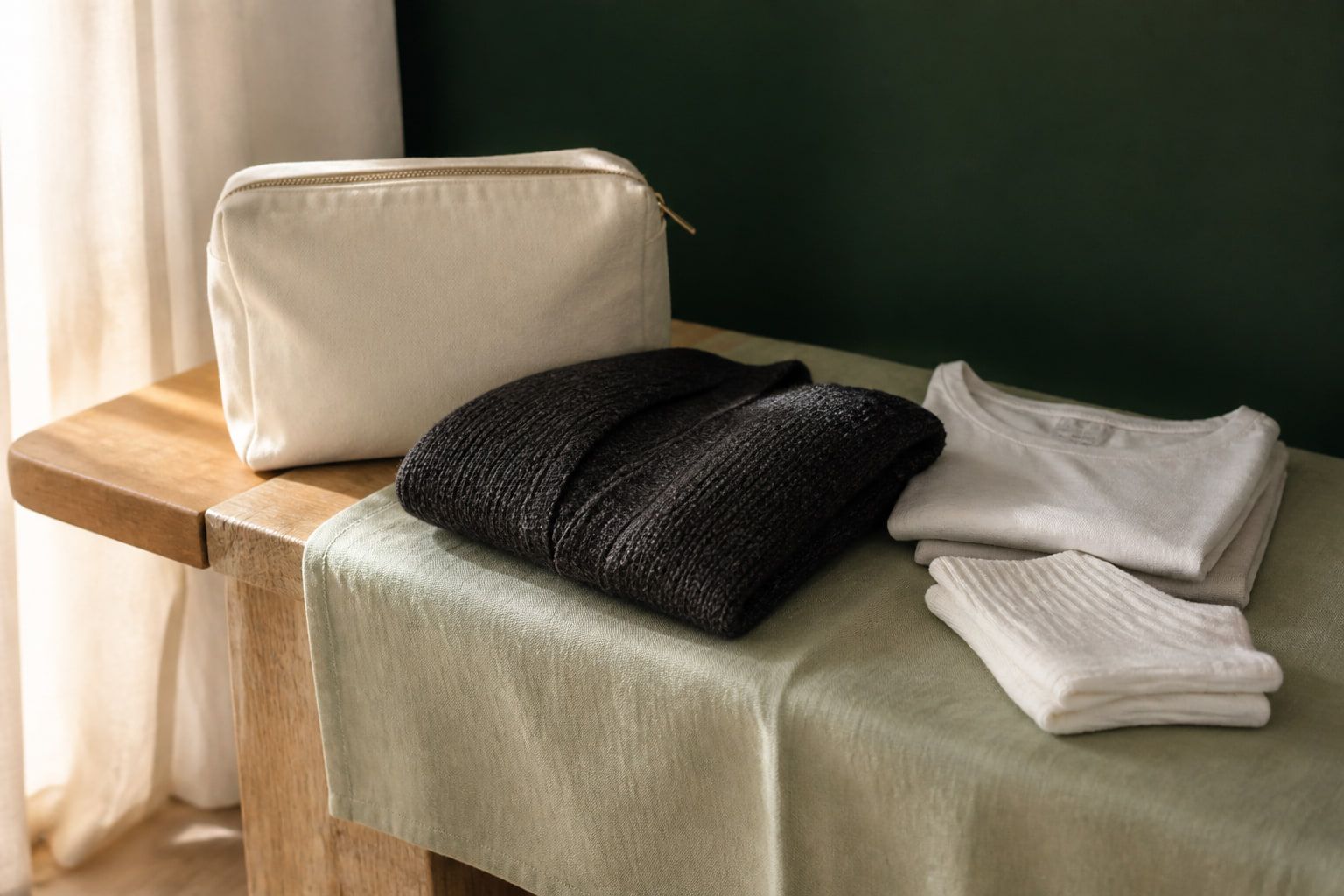
Preparing well for a massage is more about allowing time and knowing what to expect than packing a bag.
- The day before: check the address, arrival instructions, session length and any specific guidance your practitioner has sent you.
- A few hours before: eat and drink as you normally would. If lying down soon after a large meal feels uncomfortable, allow more time between eating and your session.
- Before leaving: choose clothes that will be comfortable to put on afterwards, leave yourself a little extra time and avoid rushing.
- When you arrive: there is no need to begin immediately. Ask any remaining questions and share how you are feeling that day.
What should you bring? Usually, a way to pay, your appointment details and the personal items you use every day are enough. If relevant, bring a list of your medicines and any relevant health information. Whether you need towels, a change of clothes, particular clothing or anything else depends on the venue and session, so ask in advance rather than guessing. If you are preparing for a session with Laura, you can confirm the practical details through the Láurem contact page.
Drink water as usual, according to your thirst. There is no need to force yourself to drink unusually large amounts before or after a massage. The claim that water must “flush out toxins” after massage has no reliable scientific basis.
Arriving and talking: time to say what matters
Before any touch begins, you should have a clear shared understanding of what you hope for, which areas to focus on and which to avoid. You can say that this is your first massage, that you feel nervous, that you need things explained more slowly or that you would like to know what happens next. You can also discuss sound, lighting, temperature, conversation or silence, your position and any supports you may need.
Consent is not a one-off “yes” when you book. It applies to a specific action and can change throughout the session. You can decline touch to one part of your body, ask for work through fabric, pause or end the session altogether. Read more about why the opening conversation is part of the experience in our article on why a personalised massage begins with a conversation.
Clothing and covering arrangements vary between practices. There is no universal requirement to undress completely. The practitioner should explain your options in advance, and you decide what feels acceptable. If this is your main concern, our article on whether you need to undress for a massage explores it in more detail. Ask Laura directly about the fabrics and products she uses and what her sessions involve; these details should not be assumed.
What to expect during the massage
Once the session begins, you do not need to try to be a “good client”. You do not have to lie perfectly still, hold your breath or keep quiet about discomfort. If the pressure, position, area being touched, sound or temperature does not suit you, say so straight away. A short phrase such as “more gently”, “please avoid this area”, “I would like to turn over” or “let’s pause for a minute” is enough.
Severe pain is not a necessary part of a good massage. Studies more commonly report mild, temporary unwanted effects after massage, such as aching, stiffness or increased sensitivity; serious adverse events have been reported rarely. What matters is paying attention to how you feel now, rather than expecting one particular “correct” sensation.
Not everyone relaxes immediately. An unfamiliar space, close physical contact and uncertainty can keep you alert even when you consciously want to settle. That is not a failure. If this sounds familiar, you may find our article on why it can be difficult to relax during a massage helpful.
At the end: get up in your own time
There is no need to jump up as soon as the session ends. Notice how you feel, sit up slowly and only then stand. If you feel dizzy, nauseous, unusually sore or weak, tell the practitioner before leaving.
After a massage, some people feel calm, others sleepy or more sensitive, and some feel much as they did before. Temporary aching is possible, particularly after more intense touch, but it is not inevitable and does not by itself prove that a session was effective. Drink water according to your thirst and choose activities to suit how you feel that day, rather than following “detox” rules.
If severe pain, significant swelling, numbness, weakness or another worrying symptom persists or gets worse, contact a healthcare professional. It is also worth telling your massage practitioner about milder discomfort so that a future session can be adjusted. There is no need to book a course of sessions straight away. First, consider whether you felt heard, safe and respected.
If MAJA is your first experience
MAJA is a three-hour experiential bodywork session created by Laura Kievlić for Láurem. It is not a promise of a conventional massage or a medical service. The session begins with a brief conversation and follows a pace shaped around how you feel, your boundaries and the areas you would like to focus on.
Three hours does not mean you have to stay in one position throughout or agree to every suggestion. You can state and change your boundaries. Before your first MAJA session, ask Laura exactly what to bring, what to wear, which products are used and how to plan your time afterwards. That way, your preparation will be based on specific information rather than general assumptions about massage.
Frequently asked questions
Do I need to shower before a massage?
Your usual personal hygiene is enough; no special ritual is needed. If a particular session requires any other preparation, the provider should tell you in advance. Do not assume you need to exfoliate or apply creams or fragrance, as products and working methods vary.
Can I eat before a massage?
You do not need to fast or follow a special diet. Eat as usual, but if lying down with a full stomach is uncomfortable, avoid planning a heavy meal immediately before the session. Continue to follow any individual dietary advice given by your healthcare professional.
What if I am running late?
Contact the provider as soon as you realise you will be late. Whether you can still have the full session depends on their schedule and policies, so do not assume. For your first visit, it is worth leaving early enough to begin the conversation without rushing.
Do I have to undress for my first massage?
No. How much you undress should reflect your comfort and informed consent. Whether the session can take place through clothing or fabric depends on the type you have chosen, so discuss this before any touch begins. If the explanation is unclear, you can ask for it again or decide not to go ahead.
Is it OK to talk during a massage?
Yes. You can choose silence, conversation or to speak only when you want something to change. Even if you asked for quiet at the start, you can always speak up about the pressure, your position, the temperature, emotional discomfort or a wish to stop.
Does massage have to hurt to be effective?
No. Some touch can feel intense, but you do not need to endure severe pain, and pain is not proof of quality. Ask for less pressure, a different area or a pause whenever a sensation becomes unacceptable.
How much water should I drink after a massage?
Drink according to your thirst and usual needs, unless your doctor has advised otherwise. There is no basis for forcing yourself to drink large amounts of water to “flush out toxins” after massage. Excessive water intake is not harmless either, so stick to your normal hydration routine.
When should I seek help after a massage?
Mild, short-lived sensitivity or aching can occur. However, worsening or persistent pain, significant swelling, numbness, weakness or another worrying symptom is not something you simply have to endure. Contact a healthcare professional, and seek emergency help if the situation is urgent. Having had a massage should never delay a necessary medical assessment.
Sources and further reading
- National Public Health Centre of Lithuania: safety requirements for face and body care services
- State Tax Inspectorate of Lithuania: the distinction between medical massage and physical wellbeing services
- NCCIH: Massage Therapy, What You Need To Know
- College of Massage Therapists of Ontario: Draping and Physical Privacy
- American Massage Therapy Association: What to Expect at Your Massage Session
- Natural Health Practitioners of Canada: What to Expect at Your First Massage Therapy Appointment
- JAMA Network Open: Use of Massage Therapy for Pain, 2018-2023, A Systematic Review
- Massage Therapy Foundation: 5 Myths and Truths about Massage Therapy
Discover MAJA at your own pace.
Laura personally confirms each booking for the three-hour bodywork session.
Write to Laura